

 עברית
 العربية
 简体中文
 Français
 Deutsch
 Português
 Русский
 Español
Inspection Before Shipping in China: A Practical Guide to Pre-Shipment Inspection
What a pre-shipment inspection covers, when it pays off, how the sample is drawn from your packed cartons and what to do with the result, so you decide on the balance payment with facts, not promises.
Pre-shipment inspection (PSI)
What Is an Inspection Before Shipping?
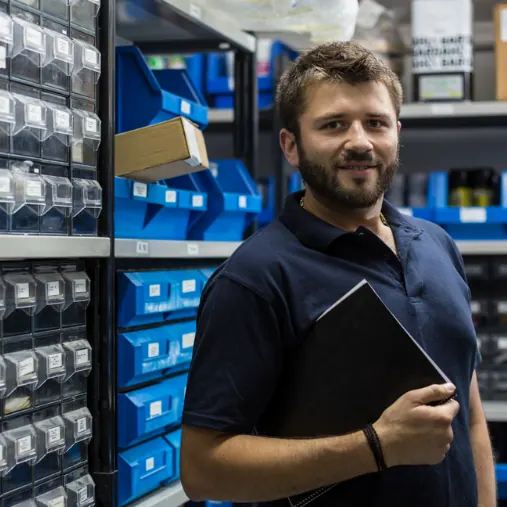
An inspection before shipping, also called a pre-shipment inspection (PSI) or final random inspection, is an independent check of your finished order while it is still at the factory. It takes place when production is complete and at least 80% of the goods are packed. The inspector opens randomly chosen cartons, checks a statistical sample against your purchase order, specifications and approved sample, and reports what was found.
Timing is what gives this check its value. The goods are finished, so the result reflects what you will actually receive. They have not left China, so rework, re-packing or a price discussion is still possible. And in most purchase agreements the balance is not yet paid, which gives the factory a strong reason to put things right.
When to Use a Pre-Shipment Inspection
If you book only one quality check per order, make it this one: it is your last chance to see the goods while you still hold the balance. It matters most when:
- You pay the balance before loading: the report is your evidence that the goods match the contract.
- Goods go straight to a marketplace or retailer: label and carton errors are expensive to fix at the destination warehouse.
- You reorder from a proven supplier: a final check confirms the standard has not slipped.
- The product or factory is new: add a raw material inspection and an in-process production inspection to catch problems earlier.
To compare every check, see our guide to goods inspections.
The Pre-Shipment Inspection Checklist
The checklist is written for your product before the visit. At this stage the inspector sees the goods exactly as they will travel:
- Readiness and quantity: all units produced, at least 80% packed, and the carton count checked against the packing list.
- Assortment: the right mix of models, colours and sizes in each carton.
- Shipping marks and barcodes: carton marks match your instructions; barcodes are present and scan correctly.
- Carton condition: strength, sealing, dimensions and weight, signs of damp, and a drop test where relevant.
- Retail packaging: printing, inserts, manuals, accessories and warning or care labels.
- Workmanship: visible defects on every sampled unit.
- Specifications: measurements, colour and materials against your approved sample.
- Function and safety: product tests such as assembly, closures, moving parts or basic electrical checks.
Selling on Amazon? FBA labels and carton rules can be added; see our Amazon FBA sourcing and product preparation service.
AQL Sampling on a Packed Order
Checking every unit is rarely practical, so a pre-shipment inspection uses the AQL (Acceptance Quality Limit) sampling tables of ISO 2859-1. At this stage the lot is the whole order, and the sample must represent all of it.
How the sample is drawn
The inspector, not the factory, chooses which cartons to open, from different pallets and stacks. A common practice is to open at least the square root of the total number of cartons, spreading the units across every model, colour and size.
A worked example
For an order of 12,000 units at General Inspection Level II, the tables call for a random sample of 315 units. With AQL 2.5 for major defects, up to 14 are accepted and 15 or more is a fail. With AQL 4.0 for minor defects, the limit is 21. Critical defects, meaning anything unsafe or against regulations, are normally set at zero.
Slower tests, such as drop tests, often use a smaller special-level sample. Write all levels into the purchase order, so a fail means the same thing to both sides.
Typical Defects Found Before Shipping
Final inspections find two kinds of problem: product faults that slipped through production, and errors made while packing. The most common are:
- Short or mixed shipments: fewer units than invoiced, or cartons with the wrong sizes or colours.
- Marking errors: missing or unreadable barcodes, and shipping marks that do not match your instructions.
- Packing damage: scratches, dents and crushed corners from loose inner packing or overfilled cartons.
- Moisture: damp cartons, mould or rust, especially in humid seasons in southern China.
- Colour differences against the approved sample, often between batches.
- Missing parts: accessories, screws, manuals or warning labels.
- Functional faults: zips that jam, switches that fail, parts that do not assemble.
Most can be sorted, reworked or re-packed at the factory, if they are found before the container is sealed.
Our pre-shipment inspections
How Master Shifu China Runs Your Pre-Shipment Inspection
Our inspections are carried out by Western professionals who apply Western quality standards and work only for you, never for the factory. Our team is based in Guangdong, where we are on factory floors every day, and we travel to production regions across China.
- Brief: we collect your purchase order, specifications, approved sample, AQL levels, packing and labelling instructions.
- Readiness check: shortly before the visit, we confirm with the factory that production is finished and at least 80% packed, so the inspection is not wasted.
- On site: the inspector counts the cartons, selects the ones to open, and checks, measures and tests the sample.
- Photo report: you receive a clear pass, fail or pending result with photos of every finding, usually the same day or the next working day.
- Follow-up: if goods fail, we agree sorting or rework with the factory and re-inspect before shipping. Approved cartons can be sealed, and we can supervise the container loading.
All our inspection types are on our China quality inspections (QC) service page.
Timing and Cost Considerations
- Work back from the shipping date: leave room for rework and a re-inspection before the cargo cut-off.
- Expect dates to move: factories often finish late. Book once you know the expected completion date, then confirm readiness a few days before.
- Watch the busy periods: before Chinese New Year and other long holidays, factories rush to finish orders and schedules slip more easily.
- Link payment to the result: state in your purchase order that the balance is paid after a passed inspection.
- What drives the cost: inspector days, set by the sample size, number of models and tests, plus travel. Factories near our Guangdong base are the simplest to reach.
- Re-inspections: agree in advance that the factory pays if the goods fail.
For a quote, contact our team with the product, quantity, factory location and shipping date.
Inspection Before Shipping: Frequently Asked Questions
Is a pre-shipment inspection the same as a final random inspection?
Yes. Inspection before shipping, pre-shipment inspection (PSI) and final random inspection (FRI) all describe the same check: a random sample of the finished, packed order, inspected at the factory before dispatch.
Can the factory choose which goods are inspected?
No. Our inspector selects the cartons at random from the whole order and opens them on site. That keeps the sample representative and stops the factory from presenting only its best units.
Should I pay the balance if the inspection fails?
Usually not until the problems are resolved. Most importers ask the factory to sort or rework the goods, then book a re-inspection. For minor issues you may accept the goods with a price reduction. The decision is always yours.
Can you also supervise the container loading?
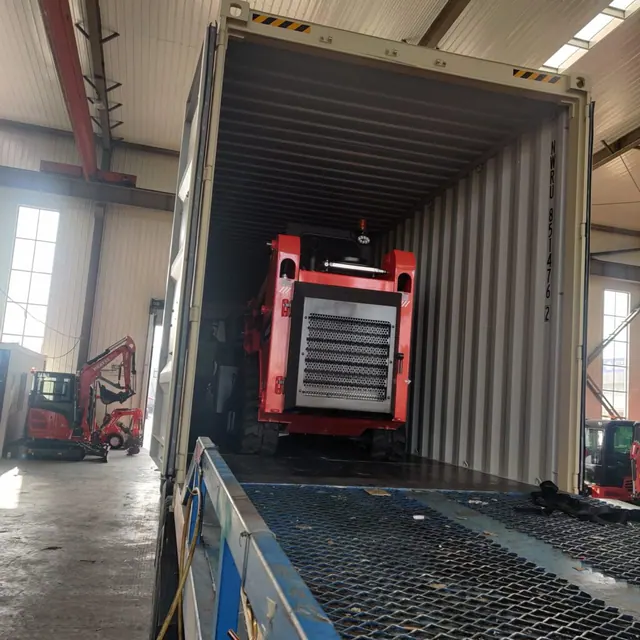
Yes. We check the container's condition, count the cartons loaded, make sure only approved goods go in and photograph the container being sealed.
Ship with confidence
Book Your Inspection Before Shipping
Tell us what you are shipping, where the factory is and when the goods should leave. We will plan the inspection and send you a quote, so you have a clear, photo-documented result before you pay the balance.

Related Posts
Goods Inspections
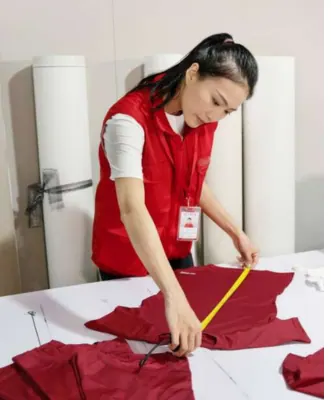
A practical guide for importers to goods inspections in China: when to book each check, what the inspector looks at and how AQL sampling works. Learn how to plan inspections around your production and shipping dates.
Read More
In-Process Production Inspections
An in-process production inspection checks your order while it is still on the factory line, so a repeated defect is corrected before the whole order is made. Learn when to book one, what the inspector checks and how AQL sampling works mid-production.
Read More
Raw Material Inspections
A raw material inspection checks fabrics, components and packaging at the factory before production starts, so a wrong or faulty material is replaced before it is built into your whole order. Learn when to book one, what the inspector checks and how sampling works for materials.
Read More