

 עברית
 العربية
 简体中文
 Français
 Deutsch
 Português
 Русский
 Español
In-Process Production Inspections in China: A Practical Guide for Importers
How a during production inspection (DUPRO) works, when to book it, what the inspector checks on the line and how to read the results, so you can fix a repeated defect while most of your order is still unmade.
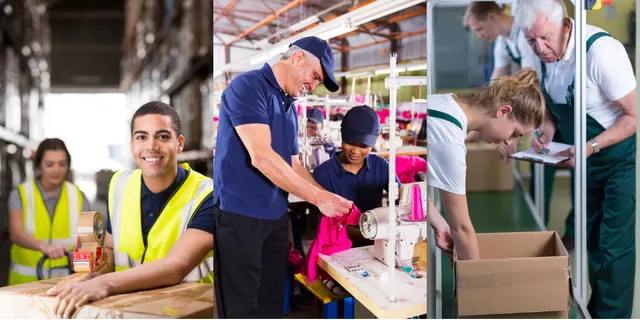
During production inspection (DUPRO)
What Is an In-Process Production Inspection?
An in-process production inspection is an independent visit to the factory while your order is being made. The inspector checks the first finished units and the work still on the line against your purchase order, specifications and approved sample. It is usually booked once roughly 20–60% of the order is complete: late enough for production to have settled into its normal rhythm, early enough to change course.
A factory repeats the same steps on every unit. If a template is cut wrong or a cheaper component is swapped in, the fault appears on every unit. Found at the final inspection, it is already in the whole order. Found halfway, it is corrected at the workstation that causes it.
When to Book an In-Process Inspection
A visit during production pays off most when a problem found late would be expensive or slow to fix:
- A new supplier or product: the factory has not yet shown it can make your item consistently at volume.
- Large orders and long runs: every unit made after a fault starts adds rework.
- Many parts or tight tolerances: furniture, hardware, electronics accessories.
- Fixed delivery dates: seasonal collections and retail launches, with no time to remake goods.
- Earlier warning signs: issues at the raw material inspection, a late start, or a sample that needed several rounds of changes.
It does not replace the inspection before shipping, which still confirms the finished, packed goods.
What the Inspector Checks on the Line
A visit during production looks at the process as well as the product. The checklist is written for your item and usually covers:
- Production status: units finished, in progress and not started, and whether the shipping date is still realistic.
- Materials and components: fabric, parts and finishes in use match the approved ones.
- Finished units: a random sample checked for visible defects and assembly quality.
- Semi-finished work: parts checked before they are sewn in, covered or assembled, while hidden faults are still visible.
- Dimensions and weight: against your size chart, drawings and tolerances.
- Function: product tests such as fit, closures, moving parts or basic electrical checks.
- The process: machine settings, templates, moulds and the factory's own in-line checks, the usual sources of repeated defects.
- Packaging readiness: labels, barcodes and cartons prepared for the finished goods.
AQL Sampling During Production
Most inspections use the AQL (Acceptance Quality Limit) sampling tables of ISO 2859-1 to decide how many units to check and how many defects are acceptable. During production there is one important difference: the lot is the quantity finished on the day of the visit, not the full order.
A worked example
Say you ordered 8,000 units and 2,000 are finished when the inspector arrives. At General Inspection Level II, a lot of 2,000 calls for a random sample of 125 units. With an AQL of 2.5 for major defects, up to 7 major defects in that sample are accepted, and 8 or more is a fail. Critical defects, meaning anything unsafe or against regulations, are normally set at zero.
Reading the result
With the order incomplete, the result is an early warning, not a final verdict: a fail means the process needs correcting now, a pass means the line is on track. For small runs, a fixed sample agreed with you can be more useful than the tables.
Typical Defects Found Mid-Production
Problems found during production usually trace back to one cause on the line:
- Repeated workmanship faults from one workstation: skipped stitches, misaligned seams, glue marks, rough edges.
- Dimensional drift from a worn mould, a wrong cutting template or a badly set machine.
- Material swaps: a lighter fabric, cheaper plating, fittings from another supplier, a new dye or paint batch.
- Assembly problems: parts that do not line up, missing screws, moving parts that stick.
- Handling damage to work in progress: scratches, dirt and dents from poor stacking or storage.
- Packaging errors caught before packing: wrong barcodes, missing warning labels, incorrect shipping marks.
- Schedule warnings: fewer units finished than reported, or work moved to another workshop without your approval.
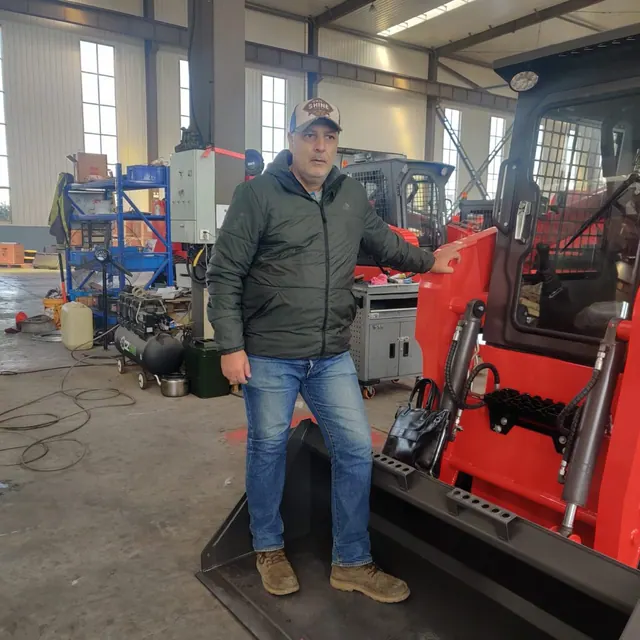
Our in-process inspections
How Master Shifu China Runs Your In-Process Inspection
Our inspections are led by Western, English-speaking professionals who apply Western quality standards and work for you, not for the factory. We are based in Guangdong and on factory floors there every day, and we travel to production regions across China.
- Brief: we collect your specifications, approved sample, AQL levels and any earlier problems.
- Timing: we confirm the real production status shortly before the visit.
- On the line: the inspector records progress, draws the sample, measures, tests and walks the key workstations.
- Photo report: you receive a clear report with photos, video where useful, the defects found and the production status, usually the same day or the next working day.
- Corrections: we agree corrective actions with the factory, follow them up and re-check if needed before the final inspection.
All our inspection types are described on our China quality inspections (QC) service page.
Timing and Cost Considerations
- Not too early, not too late: a handful of units says little about the run, and once most of the order is made, cheap corrections are gone. Aim for a stable process with finished units available.
- Expect dates to move: production schedules often slip. Book when you know the start date, then confirm a few days before.
- Leave room before shipping: allow time for corrections before the final inspection.
- Long runs: an order spread over weeks or several lines may justify more than one visit.
- What drives the cost: inspector days, set by the sample size, number of models and tests, plus travel. Factories near our Guangdong base are the simplest to reach.
- Weigh it against the risk: compare a visit with the cost of reworking, air-freighting or losing a whole order.
For a quote, contact our team with the product, quantity, factory location and production dates.
In-Process Inspections: Frequently Asked Questions
How is an in-process inspection different from an inspection before shipping?
An in-process inspection checks part of the order and the production line while goods are being made. An inspection before shipping checks the finished, packed order before you pay the balance. The first stops problems spreading; the second confirms the result.
Can an order fail an in-process inspection?
Yes. A fail means the defects found are above your agreed limits, so the process has to be corrected before production continues. It is a warning, not a rejection of the order: the finished goods are judged at the final inspection.
What if production is behind schedule when the inspector arrives?
We confirm the status before the visit and move the date if production has slipped. If the inspector still finds less progress than reported, the report says so, giving you early warning about your delivery date.
Do I need to be in China for the inspection?
No. We work from your specifications and approved sample, and you receive the photo report wherever you are, so you can decide on corrections without travelling to the factory.
Plan your quality control
Catch Problems While There Is Still Time
Send us your product, order quantity, factory location and production schedule. We will plan the in-process inspection at the right moment and quote it for you.

Related Posts
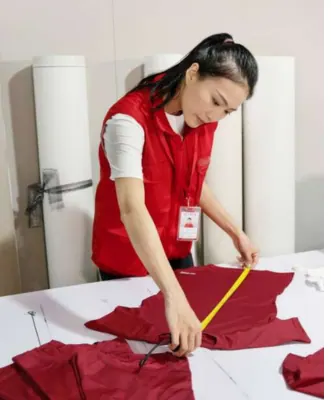
Goods Inspections
A practical guide for importers to goods inspections in China: when to book each check, what the inspector looks at and how AQL sampling works. Learn how to plan inspections around your production and shipping dates.
Read More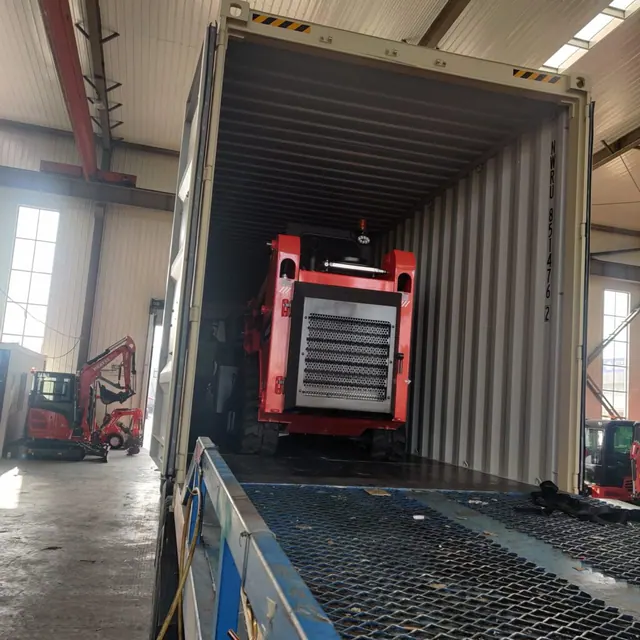
Inspection Before Shipping
An inspection before shipping checks a random sample of your finished, packed order at the factory, while you still hold the balance payment. Learn what the inspector checks, how AQL sampling works and how to plan the visit around your shipping date.
Read More
Raw Material Inspections
A raw material inspection checks fabrics, components and packaging at the factory before production starts, so a wrong or faulty material is replaced before it is built into your whole order. Learn when to book one, what the inspector checks and how sampling works for materials.
Read More