

 עברית
 العربية
 简体中文
 Français
 Deutsch
 Português
 Русский
 Español
Goods Inspections in China: A Practical Guide for Importers
What a goods inspection covers, when to book each type, how AQL sampling works and what to expect in the report, so your order is checked before you pay the balance and before it leaves the factory.
Quality control in China
What Is a Goods Inspection?
A goods inspection is an independent check of your actual order, carried out at the factory by an inspector who works for you, not for the supplier. The inspector compares the goods with your purchase order, specifications and approved sample, then reports what was found.
When you buy from China, you usually approve a sample and then pay a deposit for production you never see. Materials can be switched, a new production line can be less experienced, and deadline pressure leads to shortcuts. An inspection gives you facts while you can still act on them: before the balance is paid and before the goods are on a ship.
When to Use Each Type of Inspection
Goods inspections follow the stages of production, and each one answers a different question:
- Factory audit (before you order): is this a real manufacturer with the equipment, capacity and quality processes your product needs?
- Raw material inspection (before production): are the fabrics, components and packaging the ones you approved? Key for colour- and material-critical products.
- In-process production inspection (during production): are the first finished units right, while problems can still be corrected on the line?
- Inspection before shipping (production complete): does a random sample of the finished, packed goods meet your requirements? Most importers book this check as a minimum.
- Container loading supervision (at dispatch): are the right goods, in the right quantity, loaded into a sound container and sealed?
For a repeat order with a proven supplier, an inspection before shipping is often enough. For a new supplier or product, combine a factory audit with checks during and after production.
What the Inspector Checks
Every product needs its own checklist, built from your specifications before the visit. A typical inspection before shipping covers:
- Quantity: finished and packed units compared with the order, and the carton count.
- Appearance and workmanship: scratches, stains, loose threads, uneven finishes, poor assembly.
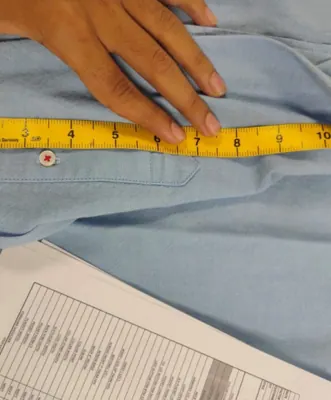
- Dimensions and weight: measurements taken against your size chart or drawings and tolerances.
- Colour and material: compared with the approved sample or colour standard.
- Function and safety: product-specific tests, for example assembly, fit, zips and closures, switches, or basic electrical checks.
- Packaging and labelling: retail packaging, barcodes, care and warning labels, country-of-origin marks, and shipping marks on the cartons.
- Carton condition: sealing, strength and suitability for sea or air freight.
If your retailer or target market has specific requirements, share them in advance so they become part of the checklist.
AQL Sampling Basics
Checking every unit of a large order is rarely practical, so most inspections use statistical sampling based on the AQL (Acceptance Quality Limit) tables of ISO 2859-1, the same system as ANSI/ASQ Z1.4.
How it works
- Sample size: the lot size and inspection level set how many units are checked. General Inspection Level II is the usual default. For example, an order of 5,000 units at Level II calls for a random sample of 200.
- Defect classes: each defect is classified as critical (unsafe or against regulations), major (likely to cause a return) or minor (a small flaw most customers would accept).
- Acceptance limits: you set an AQL for each class. A common setting for consumer goods is zero critical defects, 2.5 for major and 4.0 for minor. The table then gives the maximum number of defects accepted in the sample.
Agree the levels with your supplier and write them into the purchase order, so a failed result is clear to both sides.
What inspections find
Typical Defects Found
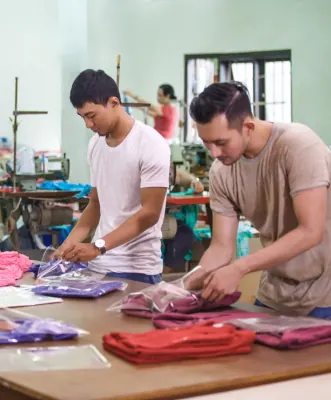
Defects vary by product, but the same kinds of problems come up across categories:
- measurements out of tolerance, such as wrong garment sizes or furniture parts that do not fit together;
- colour differences between batches, or against the approved sample;
- cosmetic flaws: scratches, dents, stains, glue marks, loose threads, uneven paint;
- functional faults: zips that jam, loose handles, missing screws, products that do not assemble;
- wrong or missing labels, barcodes, manuals or accessories;
- weak or damp cartons, poor internal packing, and shipping marks that do not match the order.
Many of these can be fixed at the factory by reworking or re-packing, if they are found before the goods leave.
How Master Shifu China Runs Your Inspection
Our inspections are carried out by Western professionals who work for you and report without bias. Our team is based in Guangdong, where we are on site every day, and we travel to factories across China.
- Consultation: we collect your specifications, approved sample, AQL levels and any market or retailer requirements.
- Inspection plan: we recommend which checks your order needs and when, and build the checklist for your product.
- Booking: we confirm the production schedule with the factory and set the date.
- On-site inspection: the inspector draws the sample, checks, measures and tests, and records every defect.
- Photo report: you receive a clear pass, fail or pending result, with photos, videos and a full breakdown of the defects.
- Next steps: if there are problems, we discuss rework or re-inspection with the factory, so you can decide before paying the balance.
See our China quality inspections (QC) service for details.
Timing and Cost: What to Plan For
- Book early: give a few working days' notice and stay in touch with the factory, because production dates often move.
- Time it to production: an inspection before shipping takes place when production is complete and at least 80% is packed. Leave time for rework and a re-inspection before the shipping date.
- Balance payment: link the balance to a passed inspection in your purchase order. That gives the factory a clear reason to fix problems.
- What drives the cost: the inspector days needed, which depend on the sample size, the product and the tests, plus travel to the factory. Factories near our Guangdong base are the easiest to reach.
- Re-inspections: agree in advance who pays if the goods fail and must be checked again.
For a quote, contact our team with the product, quantity and factory location.
Goods Inspections: Frequently Asked Questions
Which inspection should I book if I can only afford one?
An inspection before shipping. It checks the finished, packed goods while you can still hold back the balance payment.
Who pays for the inspection, me or the factory?
You book and pay for it, so the inspector works for you. That independence is what makes the result reliable. You can agree that the factory pays for any re-inspection after a failed result.
What happens if my goods fail the inspection?
You decide. Common options are rework at the factory followed by a re-inspection, a discount for minor issues, or refusing the shipment for serious ones. We report the facts and can discuss the options with the factory for you.
Where in China can you inspect?
Our team is based in Guangdong and inspects there every day. We also travel to factories in other manufacturing regions across China.
Can you check requirements for my market?
Yes. Share your specifications, labelling rules and retailer requirements, and we build them into the checklist before the visit.
Plan your quality control
Get an Inspection Plan for Your Order
Tell us what you are producing, where and when it ships. We will recommend the right inspections at the right moments and send you a quote.

Related Posts
In-Process Production Inspections
An in-process production inspection checks your order while it is still on the factory line, so a repeated defect is corrected before the whole order is made. Learn when to book one, what the inspector checks and how AQL sampling works mid-production.
Read More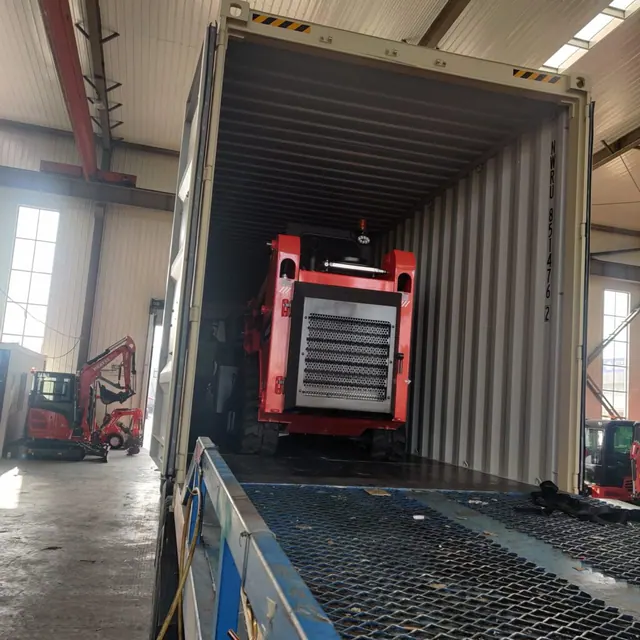
Inspection Before Shipping
An inspection before shipping checks a random sample of your finished, packed order at the factory, while you still hold the balance payment. Learn what the inspector checks, how AQL sampling works and how to plan the visit around your shipping date.
Read More
Raw Material Inspections
A raw material inspection checks fabrics, components and packaging at the factory before production starts, so a wrong or faulty material is replaced before it is built into your whole order. Learn when to book one, what the inspector checks and how sampling works for materials.
Read More