

 עברית
 العربية
 简体中文
 Français
 Deutsch
 Português
 Русский
 Español
China sourcing and manufacturing
Find Manufacturers in China
Start with the manufacturing process your product needs. Build a shortlist around capability, quantity and quality, then compare factories on the same brief.
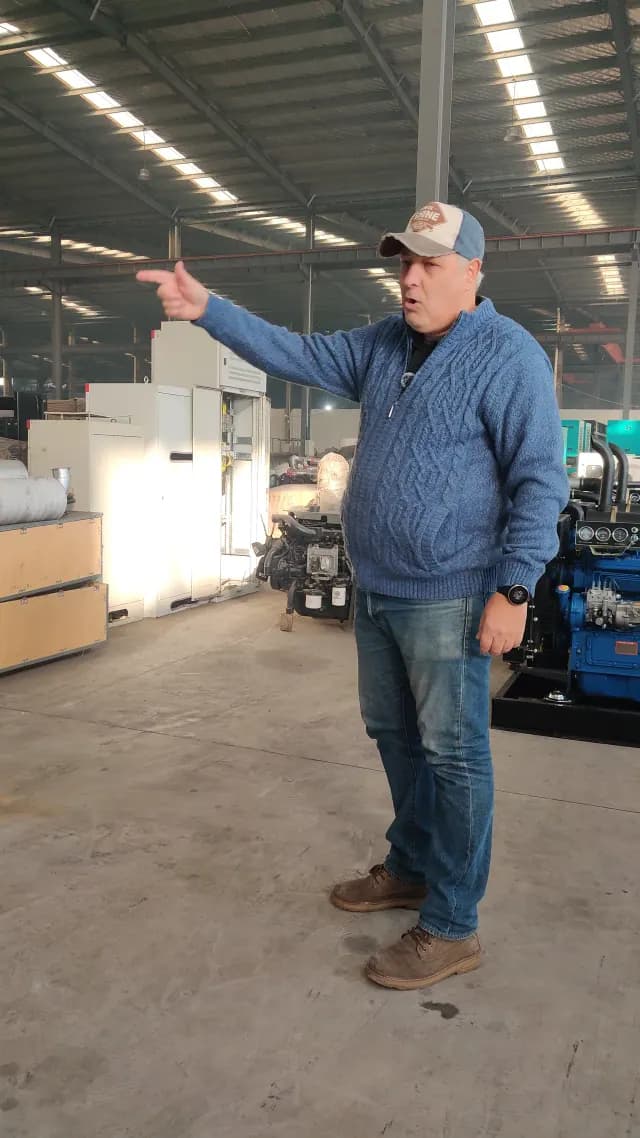
Search for capability, not a catalogue match
A supplier may sell a product without making it. We ask what is produced in-house, which steps are outsourced and where the work happens. For a technical product, the relevant process, equipment and material experience matter more than a broad catalogue.
Factory or trading company?
A factory can offer direct production communication. A trading company may coordinate several product types or smaller mixed orders. Neither label alone proves quality or value. We clarify each business's role and compare the offer against your purchasing needs.
Make the shortlist useful
We look at the stated production capabilities, order fit, sample approach, quoted lead time and minimum order quantity. Claims that need an onsite check or supporting documentation are identified. A shortlist is a basis for the next decision, not a guarantee of future performance.
Before choosing a manufacturer
Agree the specification version and ask each candidate to separate product, tooling, packaging and testing costs. Confirm who approves changes and how a sample becomes the production reference. A factory audit or product sample can answer questions that email quotations cannot.
Prepare a manufacturer request that gets useful answers
A request for quotation is stronger when it states what the product does, which features are fixed, the quantity and the delivery requirement. Include drawings or dimensions where available and identify materials that cannot be substituted. Ask each candidate to explain its production method and the work it outsources. This makes the response more useful than a simple yes, we can make it.
Compare capability, capacity and order fit
Capability describes the processes needed for your product. Capacity concerns the order volume and production schedule. Order fit includes the minimum quantities, variants, packing and communication the factory is willing to handle. A manufacturer can be strong in one area and unsuitable in another. Compare these points together, then decide what needs supporting documents, a sample or an onsite assessment.
Use samples and visits to answer different questions
A sample helps evaluate a product against defined requirements. A factory visit can clarify the facility, equipment and observed production arrangements. Neither should be treated as a complete answer to every purchasing risk. Select the next check based on the question you still need answered, and keep the scope and limitations in the supplier comparison.
What to send us
- Drawings, dimensions and intended use
- Required materials and production processes
- Target order quantity and packaging
- Destination requirements and launch schedule
What you receive
- Manufacturers matched to the agreed brief
- A capability and quotation comparison
- Recommended checks before selecting a factory
How we manage the work
Map the requirements
Identify the processes and capacity the product needs.
Contact candidates
Ask focused questions and collect comparable factory responses.
Shortlist for validation
Choose candidates for samples, documentation checks or an agreed factory visit.
Questions before you start
Can you find a factory from a product photo?
A photo is a useful starting point, but dimensions, materials, function and quantities are usually needed for a meaningful search and quotation.
Can you confirm that a supplier owns a factory?
We can scope identity and facility checks. A website or catalogue alone is not sufficient; the depth of verification depends on the evidence available and whether a visit is included.
Is a large factory always the best option?
No. Your order must fit its processes, minimum quantities and scheduling. A smaller suitable manufacturer may be a better match than a larger factory that treats the project as a poor fit.
Tell us about your sourcing project
Share the product, quantity and destination. We will review the requirements and discuss a suitable scope with you.
Topics covered
Related sourcing services

Factory direct sourcing
Explore factory-direct sourcing in China. Identify manufacturers, compare commercial terms and understand when buying directly fits your product and order.
Factory audits
Assess a Chinese factory before placing an order. Scope a factory visit, review production and quality processes, and receive practical findings from Master Shifu.

Samples & prototypes
Coordinate product samples, prototypes and revisions in China. Define what to test and establish an approved production reference with Master Shifu.