

 עברית
 العربية
 简体中文
 Français
 Deutsch
 Português
 Русский
 Español
China sourcing and manufacturing
China Supplier Negotiation Services
Get the full deal clear before you place the order. Discuss price, quantities, quality and delivery as connected decisions.
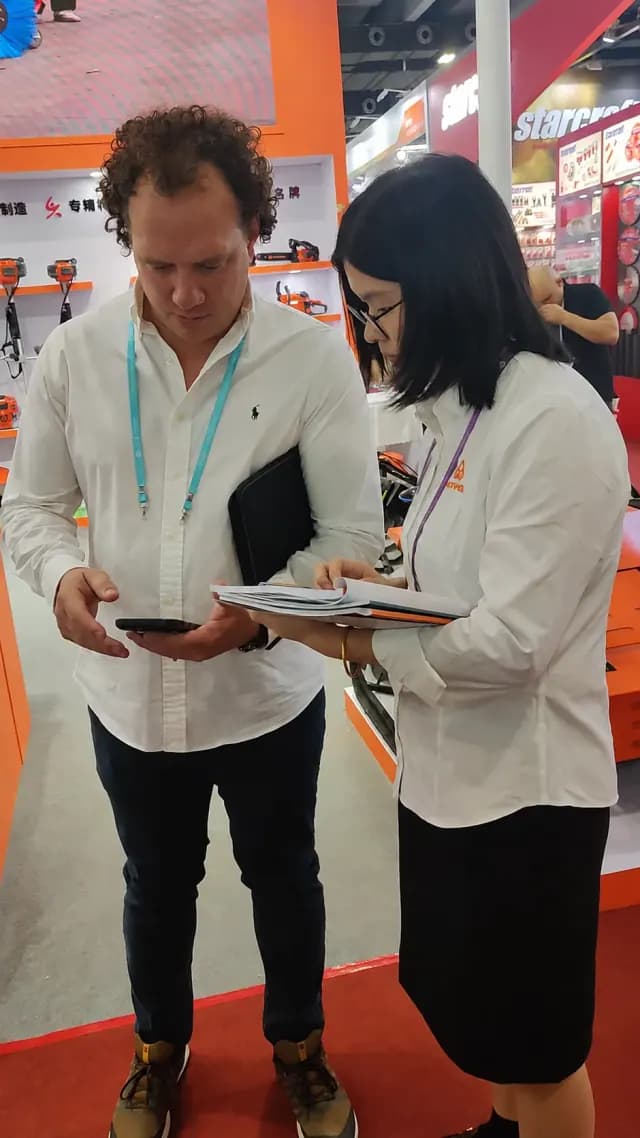
Start with comparable quotations
Negotiation works better when the specification is settled. We help check whether quotations cover the same material, dimensions, packaging and delivery basis. A cheaper offer that leaves out tooling or inspection is not a like-for-like saving.
Look beyond unit price
Minimum order quantity, deposit and balance timing, sample charges, production slots and packing requirements all affect the order. We coordinate discussions around your priorities and record which terms a supplier accepts, rejects or leaves open.
Keep changes visible
A different finish or component may change price and lead time. Keep the quotation version, approved specification and change record aligned. We help clarify commercial terms and supplier communications; legal drafting or legal advice should be handled by an appropriately qualified professional.
Choose a workable outcome
A supplier may not accept the requested quantity or payment schedule. We can explore options such as fewer variants, different packaging or a revised order plan, subject to your approval. No saving or particular payment term is guaranteed.
A clear specification makes negotiation more productive
Before discussing price, confirm that the proposals cover the same product, material and packaging. Identify the quantity, variants and delivery basis used in the quote. If those assumptions change during negotiation, request an updated written offer. Otherwise, a price reduction may conceal a different product or a cost that has moved elsewhere.
Record the terms that affect execution
The agreement should identify the order quantity, specification version, sample approval, production timing, payment schedule and responsibilities for packaging or inspections. Commercial changes should show their effect on cost and timing. We help coordinate the discussion and record the outcome, while formal contract drafting and specialist legal advice stay with qualified parties.
Compare workable options instead of chasing one number
A supplier may offer a different minimum quantity, fewer variants or another packaging option. Consider whether the proposal fits your market and stock plan. The lowest unit price may not be the best overall choice when tooling, quality checks and freight are included. We help make the differences visible so you can choose the option you are prepared to approve.
What to send us
- Current quote and product specification
- Expected quantity and acceptable alternatives
- Payment and delivery priorities
- Terms you will not compromise on
What you receive
- A comparison of the commercial options discussed
- A record of agreed terms and remaining exceptions
- Clear points to confirm before issuing the order
How we manage the work
Set your priorities
Identify the terms that matter most and the limits you can accept.
Discuss options
Work through the supplier's offer and the effects of proposed changes.
Record the outcome
Confirm the agreed scope, prices, timing and unresolved points in writing.
Questions before you start
Can you guarantee a lower price?
No. The outcome depends on the product, quantity, market conditions and supplier. The aim is a clear and commercially workable agreement.
Can you negotiate with an existing supplier?
Yes. Share the current offer and relationship context. We can focus on a new order, changed requirements or unresolved commercial points.
Will negotiation reduce quality?
Any proposed material or specification change should be clearly identified and approved by you. A lower price should not silently change the product you intended to buy.
Tell us about your sourcing project
Share the product, quantity and destination. We will review the requirements and discuss a suitable scope with you.
Topics covered
Related sourcing services

Sourcing agent
Find suppliers, compare quotes and coordinate your China sourcing project with Master Shifu. Get practical support from your first brief to shipment planning.

Factory direct sourcing
Explore factory-direct sourcing in China. Identify manufacturers, compare commercial terms and understand when buying directly fits your product and order.

Alternative suppliers
Find backup factories or replace a manufacturer in China. Compare specifications, samples and transition risks with Master Shifu's sourcing support.