

 עברית
 العربية
 简体中文
 Français
 Deutsch
 Português
 Русский
 Español
China sourcing and manufacturing
OEM & ODM Manufacturing in China
Turn a product brief into a manufacturing plan. Compare custom production and existing supplier designs before investing in samples or tooling.
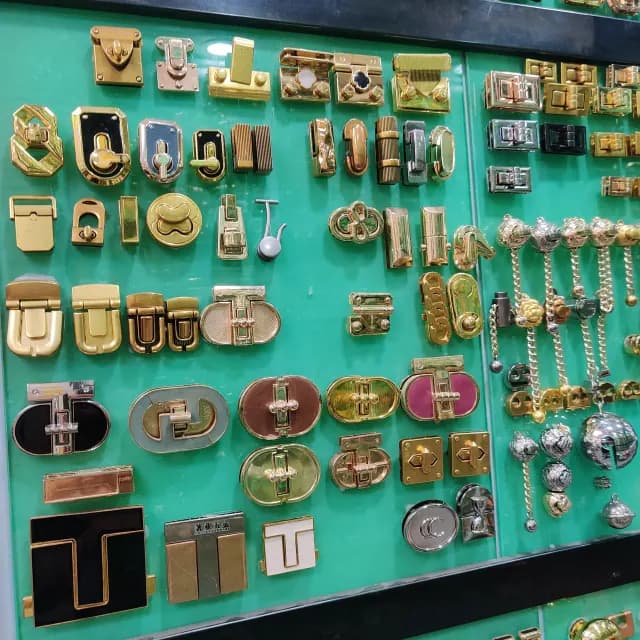
Choose the right development route
OEM commonly means manufacturing to a buyer's design or requirements. ODM commonly starts from a supplier's existing design that may be adapted. Suppliers use these terms differently, so we clarify what is included, who controls the design and what changes are possible.
Make the specification usable
A clear brief covers function, dimensions, materials, components, finish, packaging and destination requirements. Drawings and a bill of materials help where relevant. We coordinate questions between you and prospective manufacturers so assumptions are addressed before a quote becomes an order.
Agree samples, tooling and approvals
Tooling and mould costs should be separated from unit prices. Record ownership, access, maintenance responsibilities and what is included in a revision. Before production, agree which sample and specification version will be used as the reference and who can approve changes.
Keep development connected to production
A successful prototype does not prove repeat production will be consistent. The project may need a pilot run, inspection checkpoints and a process for handling substitutions. Private-label work can be simpler than a new design, but packaging, artwork and product requirements still need approval.
Separate private label, adaptation and new development
Adding branding to an existing product is different from changing its components or developing a new design. Each route has different sampling, tooling and approval needs. Clarify whether the supplier is offering an existing design, a modified version or production to your own files. Agree the exact deliverables and the permissions needed for drawings, artwork and tooling.
Understand the development quotation
Ask the supplier to distinguish the cost of samples, engineering work, moulds or fixtures, packaging and repeat production. Clarify what each development charge includes and how revisions are handled. Minimum quantities may differ between a standard product and a custom version. This breakdown helps you assess feasibility before committing to a production plan.
Create an approval path before the launch
A clear approval path identifies the current specification, sample version and person responsible for acceptance. It also records open tests, packaging artwork and any agreed pilot production. Changes after approval should be documented rather than passed through informal messages. Master Shifu coordinates supplier communication and follow-up within the scope; technical and design approvals remain with the appointed parties.
What to send us
- Design files, drawings or a clear product brief
- Required materials, components and finish
- Branding, packaging and destination requirements
- Expected volumes, budget range and launch timing
What you receive
- A suitable OEM or ODM sourcing route
- Supplier questions and comparable development quotations
- A sample, tooling and production approval plan
How we manage the work
Review the brief
Separate fixed requirements from areas open to supplier suggestions.
Compare development options
Discuss capabilities, development costs and the work needed for samples.
Approve before production
Record the approved reference, open issues and agreed production checks.
Questions before you start
Can I put my brand on an existing product?
Often this can be explored as private-label work. Feasibility, minimum quantities, artwork and packaging costs depend on the product and supplier.
Who owns the moulds and design files?
Do not assume ownership from paying an invoice. The parties should agree and document ownership, use and access. Specialist legal advice may be appropriate for the contract.
Do you manufacture products yourselves?
Our role is sourcing and manufacturing coordination with suppliers. The selected manufacturer performs the production, with responsibilities defined for the project.
Tell us about your sourcing project
Share the product, quantity and destination. We will review the requirements and discuss a suitable scope with you.
Topics covered
Related sourcing services

Custom product sourcing
Source non-standard and technical products in China. Match specifications, materials and production processes with suitable manufacturers through Master Shifu.

Samples & prototypes
Coordinate product samples, prototypes and revisions in China. Define what to test and establish an approved production reference with Master Shifu.

Supplier negotiation
Negotiate China supplier pricing, MOQs, payment schedules and production terms with a clear brief. Master Shifu helps compare options and document agreements.