

 עברית
 العربية
 简体中文
 Français
 Deutsch
 Português
 Русский
 Español
Raw Material Inspections in China: A Practical Guide for Importers
How a raw material inspection works, when to book it, what the inspector checks and how materials are sampled, so the wrong fabric, resin or component is replaced before the factory starts cutting, moulding or assembling your order.

Pre-production inspection
What Is a Raw Material Inspection?
A raw material inspection, also called a pre-production inspection, is an independent check of the materials and components for your order after they arrive at the factory and before production begins. The inspector compares fabrics, trims, resins, metals, electronic parts and packaging with your purchase order, bill of materials, technical sheets and approved samples.
Many problems that appear at the final inspection, such as colour shading, weak seams, flaking coatings or parts that do not fit, start with materials nobody checked. Once fabric is cut or plastic is moulded, the only fixes left are rework, remaking or a late shipment. Before production, the same problem usually means swapping a batch of material, which is faster and far cheaper.
When to Book a Raw Material Inspection
Checking materials pays off most when a mistake would be expensive to fix once production has started:
- A new supplier, material or colour: the factory has not yet shown it buys the right inputs for your product.
- Colour-critical products: garments, textiles, home décor and printed packaging, where one wrong dye lot shows across a whole collection.
- Safety and compliance: children's products and items that touch food or skin, where the material itself must meet a standard.
- Large orders: one wrong batch of fabric or components can affect thousands of units.
- A history of substitution: a supplier who has swapped in cheaper materials before, or a price that looks too low.
It is the first step of a complete quality plan, followed by an in-process production inspection and an inspection before shipping.
What the Inspector Checks
The checklist is written for your product and usually covers:
- Identity and quantity: the materials, components and trims on site match your purchase order and bill of materials, in the quantities the order needs.
- Specifications: composition, fabric weight (GSM), thickness, dimensions, hardness or gauge against your technical sheet.
- Colour and finish: shade and surface compared with your approved standard or lab dip under controlled light, with each dye lot or batch checked separately.
- Visible defects: holes, stains, weaving faults, scratches, burrs, rust or contamination on a random sample of rolls, sheets or lots.
- Simple on-site tests: for example rub tests for colour transfer, tape tests on coatings, or fitting a component to its mating part.
- Documents: certificates and test reports, such as OEKO-TEX, RoHS or REACH declarations, checked against the batch actually delivered.
- Storage: damp, dust and poor stacking that can damage materials before use.
- Packaging materials: cartons, polybags, labels and printed artwork, checked before packing starts.
AQL Sampling for Materials
Most inspections use the AQL (Acceptance Quality Limit) sampling tables of ISO 2859-1 to decide how many items to check and how many defects are acceptable. For materials, the lot is not your order but each delivery of one material, or each dye lot or production batch, because every batch can differ.
A worked example
Say 30,000 metal buttons arrive for a garment order. At General Inspection Level II, a lot of that size calls for a random sample of 315 buttons. With an AQL of 1.5 for major defects, up to 10 are accepted and 11 or more is a fail. Anything unsafe, such as sharp edges on a children's product, is normally set at zero.
Fabric and slow tests
Fabric is usually checked roll by roll, taking rolls from every dye lot and grading faults with the 4-point system (ASTM D5430). Tests that take time or destroy the item often use the smaller special inspection levels, and anything that cannot be checked on site goes to a laboratory.
Typical Problems Found in Raw Materials
- Substitution: a lighter fabric, a different fibre blend, recycled instead of virgin plastic, thinner steel or cheaper plating than specified.
- Colour mismatch: shades that differ from the approved standard, or between dye lots of the same colour.
- Surface faults: weaving flaws, slubs, holes, stains, scratches, dents, rust and uneven coatings.
- Out-of-tolerance parts: components too large, too small or warped, which will not assemble correctly.
- Weak performance: colours that rub off, coatings that peel, zippers or snaps that fail a simple function test.
- Paperwork gaps: certificates that belong to another batch or supplier, or no test report at all.
- Shortages: less material on site than the order needs, an early sign of delays or of mixed batches later.
- Packaging errors: wrong carton sizes, weak board, misprinted artwork or incorrect barcodes.

Our raw material inspections
How Master Shifu China Runs Your Raw Material Inspection
Our inspections are led by Western, English-speaking professionals who apply Western quality standards and work for you, not for the factory. We are based in Guangdong, on factory floors there every day, and we travel to production regions across China.
- Brief: we collect your specifications, bill of materials, approved samples, colour standards and any certificates you require.
- Timing: we agree a date with the factory for when the materials have arrived, before cutting, moulding or assembly starts.
- On site: the inspector counts and identifies the materials, draws the sample, measures, compares and tests.
- Photo report: you receive a clear report with photos of every finding, usually the same day or the next working day.
- Follow-up: if a material is off-spec, we raise it with the factory at once and re-check the replacement before production begins.
All our inspection types are described on our China quality inspections (QC) service page.
Timing and Cost Considerations
- The right moment: after the materials arrive, before they are cut or used. Too early and deliveries are incomplete; too late and some material may already be in production.
- Deliveries arrive in stages: fabric, trims and packaging often come from different suppliers on different days. Decide which materials matter most, or plan more than one visit.
- Allow time for replacements: a rejected batch needs time to be reordered, so build a margin into your production schedule.
- What drives the cost: inspector days, set by the number of materials, the sample size and the tests, plus travel and any laboratory fees. Factories near our Guangdong base are the simplest to reach.
- Weigh it against the risk: compare one visit with the cost of reworking or remaking a whole order.
For a quote, contact our team with the product, the materials involved, the factory location and the expected delivery dates.
Raw Material Inspections: Frequently Asked Questions
How is a raw material inspection different from a factory audit?
A factory audit looks at the supplier as a company: its facilities, processes and capacity. A raw material inspection looks at the actual materials for your order, just before they go into production.
Can materials be tested in a laboratory?
Yes. When a property cannot be checked on site, such as fibre composition, colourfastness or chemical content, we collect samples and send them to an accredited third-party laboratory that you approve.
What happens if the materials fail?
We share the findings with you and the factory straight away. You decide whether the material is replaced, corrected or accepted with a concession, and we can check the replacement before production starts.
Does a raw material inspection replace the final inspection?
No. Good materials can still be badly made or packed. Checking materials removes one major source of defects; the inspection before shipping still confirms the finished goods.
Plan your quality control
Check Your Materials Before Production Starts
Send us your product, bill of materials, factory location and delivery dates. We will plan the raw material inspection at the right moment and quote it for you.

Related Posts
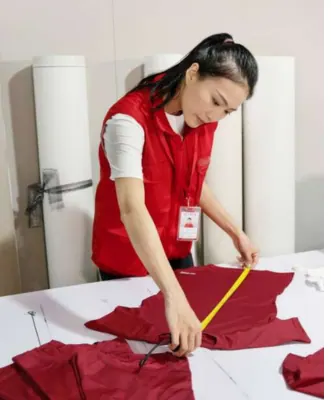
Goods Inspections
A practical guide for importers to goods inspections in China: when to book each check, what the inspector looks at and how AQL sampling works. Learn how to plan inspections around your production and shipping dates.
Read More
In-Process Production Inspections
An in-process production inspection checks your order while it is still on the factory line, so a repeated defect is corrected before the whole order is made. Learn when to book one, what the inspector checks and how AQL sampling works mid-production.
Read More
Inspection Before Shipping
An inspection before shipping checks a random sample of your finished, packed order at the factory, while you still hold the balance payment. Learn what the inspector checks, how AQL sampling works and how to plan the visit around your shipping date.
Read More