

 עברית
 العربية
 简体中文
 Français
 Deutsch
 Português
 Русский
 Español
China sourcing and manufacturing
Factory Direct Sourcing in China
Buy closer to the production source when it fits your business. Understand who makes the goods, what the factory offers and which responsibilities stay with you.
Find out who performs the work
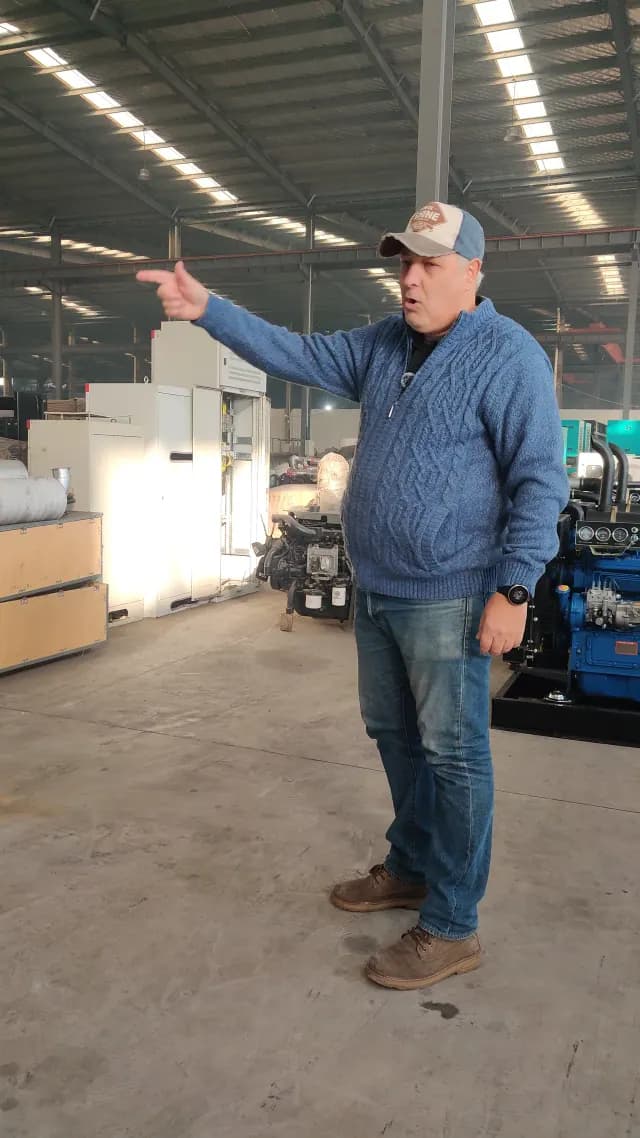
Factory-direct starts with understanding the supply chain. We ask who owns or operates the production site, which processes happen there and whether any work is subcontracted. A manufacturer's name on a listing does not answer these questions on its own.
When direct sourcing fits
Direct factory communication can suit repeat orders, defined specifications and volumes that fit the production line. It can also mean taking a more active role in approvals, quality planning and shipping arrangements. We help assess that fit before you commit.
Compare the total buying arrangement
Ask what the quote includes and who handles export documents, packaging, inspection access and delivery. A trading company may provide coordination that a factory quote leaves to the buyer. Compare those responsibilities and costs, rather than assuming direct always means cheaper.
Build a practical working relationship
Once a manufacturer is selected, agree the contact person, specification version, sample approvals and production updates. Keep requested changes in writing. Master Shifu can coordinate these steps locally while you retain purchase and approval decisions.
Understand the role of every supplier
A manufacturer, trading company and subcontractor may each play a legitimate role in an order. Clarify who performs the work and which party is responsible for the commercial offer. Direct sourcing is most useful when it improves visibility and coordination for your product. It should not be judged only by whether a business calls itself a factory.
Know which tasks the factory quote leaves with you
The buyer may still need to organize sample approval, product checks, export packing and transport coordination. Ask who supplies the documents and who can authorize a specification change. A direct quote should make these responsibilities clear. Compare the complete arrangement with any intermediary option before deciding how much support you need.
Agree how the relationship will work
Set a clear communication channel, specification version and approval process. Agree which production milestones require an update and what happens when a supplier proposes a change. Master Shifu can coordinate the agreed local follow-up and raise questions with your team. A workable process is more valuable than relying on informal assurances after an order is placed.
What to send us
- Product specification and current buying arrangement
- Expected order and repeat volumes
- Current quotes or candidate manufacturers
- Support needed for quality checks and shipping
What you receive
- A clearer view of the manufacturer and subcontracting role
- Factory quotations with scope and exclusions
- An agreed coordination and approval approach
How we manage the work
Assess the fit
Check whether your product and volumes suit a direct factory relationship.
Identify and compare
Research manufacturers and compare their quotes and responsibilities.
Set up the order
Agree samples, communication, quality checks and delivery arrangements.
Questions before you start
Is factory-direct always cheaper?
No. Unit price is only part of the cost. Tooling, quality control, coordination, packaging and logistics can change the overall comparison.
Can a factory use subcontractors?
Yes. Direct buying does not necessarily mean every process takes place in one building. Relevant subcontracting should be disclosed and assessed.
Can you help after the factory is selected?
Yes. Sampling, negotiation, production follow-up and inspections can be scoped as part of the project.
Tell us about your sourcing project
Share the product, quantity and destination. We will review the requirements and discuss a suitable scope with you.
Related sourcing services
Find manufacturers
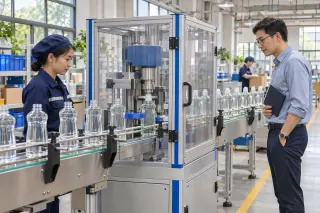
Find Chinese manufacturers that fit your product, quantities and production needs. Compare factory capabilities, quotes and next steps with Master Shifu.

Supplier negotiation
Negotiate China supplier pricing, MOQs, payment schedules and production terms with a clear brief. Master Shifu helps compare options and document agreements.

Small business sourcing
Assess suppliers, minimum orders and launch costs for your small business. Plan samples, packaging and practical next steps with Master Shifu in China.