

 עברית
 العربية
 简体中文
 Français
 Deutsch
 Português
 Русский
 Español
China sourcing and manufacturing
Alternative Suppliers & Factory Replacement in China
Build another sourcing option without losing sight of the product you already sell. Compare the replacement process before moving an order.
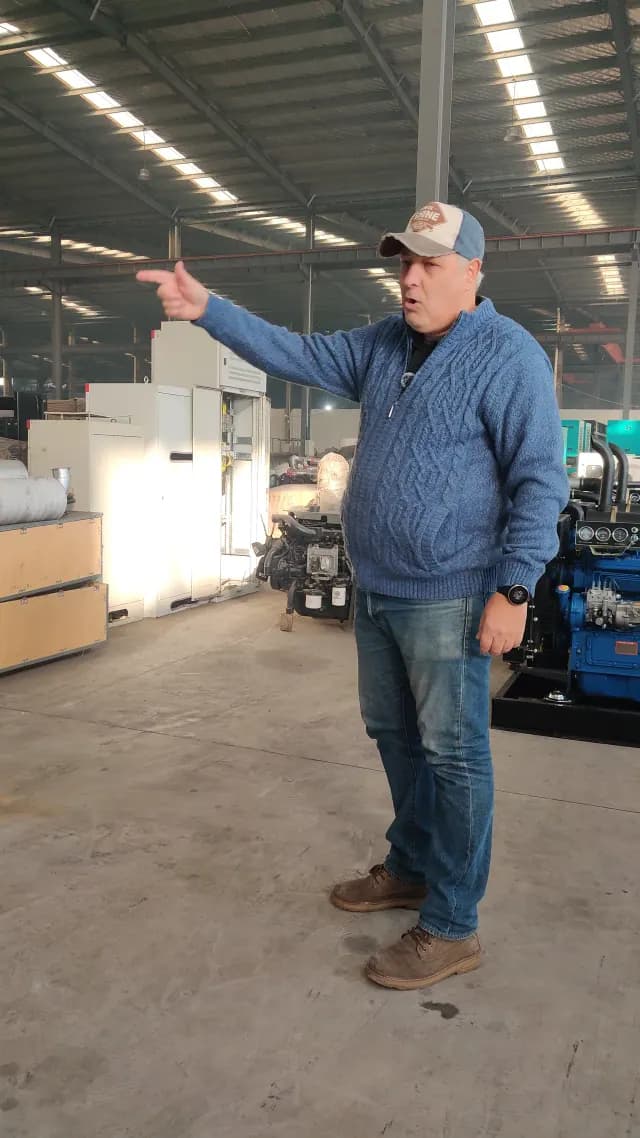
Define what must stay the same
A replacement factory needs more than a photograph of the current product. Collect the approved drawings, material requirements, packaging, test methods and reference samples. Identify which files or tools you own and which belong to the current supplier before sharing or transferring anything.
Compare alternatives on evidence
We approach candidates against the same specification and separate confirmed information from supplier claims. Compare production processes, sample results, minimum quantities, lead times and total cost. A backup factory that cannot reproduce the critical requirements is not a useful continuity option.
Plan the supplier transition
A new supplier may need tooling, sample iterations or different component sources. Agree who approves deviations and when the next order can move. Review open orders, remaining stock and logistics dependencies before changing manufacturers. Do not assume that tooling or intellectual property can be transferred without permission.
Diversify without multiplying uncertainty
Using more than one manufacturer can reduce reliance on a single source, but it also adds specification and quality-control work. Keep a controlled reference specification, compare samples and plan inspection checkpoints for each supplier. We coordinate the agreed search and transition tasks; uninterrupted production cannot be guaranteed.
Prepare a useful handover brief
Share the current specification, approved sample information and the issues with the existing supply arrangement. Clarify access to design files or tooling and which rights need confirmation. State the required quantities and the timing of the transition. A replacement supplier needs this information to quote the same product rather than an approximate alternative.
Compare the new production route carefully
Different factories may use different materials, equipment or subcontractors. Ask how those differences affect the agreed specification and acceptance checks. Review samples against the existing reference and identify any tests or approvals needed for a change. A similar-looking product is not automatically equivalent for fit, function or destination requirements.
Distinguish backup sourcing from full replacement
A backup factory may need qualification before it can support an order. A full replacement may require a planned transition of drawings, samples and approvals. Neither approach guarantees continuity by itself. We help identify options and coordinate the agreed validation work so the buyer can make the change with a clearer view of the outstanding tasks.
What to send us
- Current specification and approved sample
- Reasons for replacement and known quality issues
- Order volumes and supply deadlines
- Tooling ownership and permitted technical files
What you receive
- Alternative candidates against the same brief
- A comparison of capability, samples and unresolved risks
- A staged transition and validation plan
How we manage the work
Review the current supply
Identify essential requirements and transition constraints.
Assess alternatives
Collect comparable factory responses and samples.
Approve a controlled move
Resolve deviations and agree the next order's checkpoints.
Questions before you start
Can you guarantee uninterrupted supply?
No. Qualification, tooling, production and freight can affect timing. A transition plan should identify dependencies and contingency options.
Can you move existing tooling to another factory?
First establish ownership, contractual rights, condition and transport requirements. We can coordinate an agreed transfer, not override another party's rights.
Is the cheapest replacement always the best choice?
No. Compare specification compliance, samples, setup costs and operational fit alongside the quoted unit price.
Tell us about your sourcing project
Share the product, quantity and destination. We will review the requirements and discuss a suitable scope with you.
Topics covered
Related sourcing services
Find manufacturers
Find Chinese manufacturers that fit your product, quantities and production needs. Compare factory capabilities, quotes and next steps with Master Shifu.

Supplier due diligence
Assess a Chinese supplier before a larger commitment. Review available business, operational and commercial evidence with a defined due-diligence scope.

Samples & prototypes
Coordinate product samples, prototypes and revisions in China. Define what to test and establish an approved production reference with Master Shifu.